

This time of year, your recipes might stay the same, but the results seem to change. Instead of getting perfectly chewy cookies or pies with a delectable crumble, you wind up with flat, dry doughs, burnt pastries, and underbaked breads. What went wrong? It may not be your technique; summer heat impacts both your ingredients and how your appliances cook them. Follow these do’s and don’ts to avoid summer baking woes.
Do: Learn How Heat Affects Appliance Performance
When your indoor temperature rises, it can become harder for ovens to maintain a calibrated temperature. Fridges and freezers have to work harder to compensate for warmer air, which can put a strain on performance and degrade the quality of ingredients.
Older or poorly maintained appliances will show the most noticeable issues. You may not get the right results no matter how methodically you follow a recipe, and your butter may come out of the fridge not-quite cold, despite lowering your fridge’s settings.
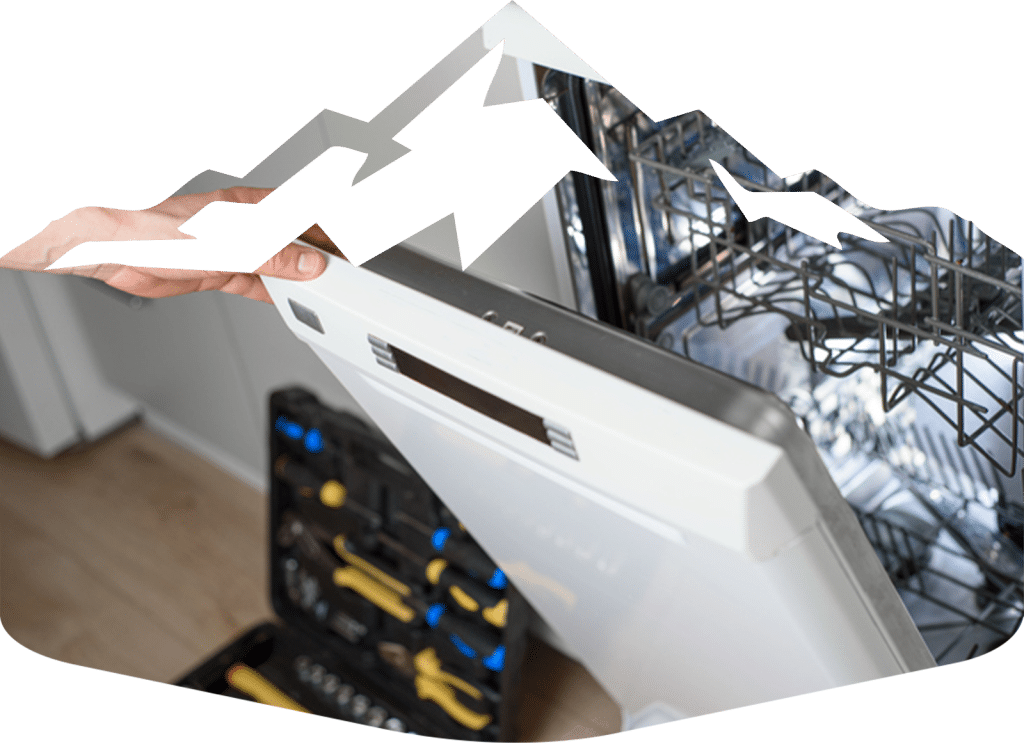
If this is a persistent issue, the best thing to do is call an appliance repair technician who can inspect your kitchen’s essential equipment and recommend the right solution.
Don’t: Ignore Temperature Problems
While you may expect things to run hotter during the summer, your appliances should generally perform well in an air-conditioned space. If you continually notice problems with your oven or fridge heating or cooling properly, then it’s likely a hardware issue that requires professional repair.
Do: Calibrate Your Oven at the Start of Summer
Oven thermostats drift when the average room temperature rises. Run a quick test using an oven thermometer. Set your oven to 350 degrees Fahrenheit, and see whether the thermostat actually picks up that temperature.
It’s common for many oven thermostats to be off by as much as 25 degrees. This difference can make an enormous difference with baked goods, forcing you to either take food out too early or leave it in too long. Uneven cooking and burnt tops are common when your oven isn’t properly calibrated.
Don’t: Cook During the Middle of the Day
The best time to bake in the summer is the morning. If you can’t, then wait until the hottest part of the day has peaked. This will help you avoid issues with humidity and heat that impact dough and batter consistency.
Baking in the early morning is ideal because it helps reduce overall kitchen heat load. Cooler temperatures in the morning also help maintain a more stable oven temperature, ensuring a more even bake. And with cooler temperatures, ingredients like butter and milk are far more predictable.
The Bottom Line
Summer baking requires the right equipment, the right temperature, and extra emphasis on timing and appliance performance. Remember: A well-maintained kitchen is your secret to excellent baking all year long. If you live in Eugene, OR or a surrounding area and need oven services, make your first call to Polished Appliance Repair.